Our FARMING PRACTICES
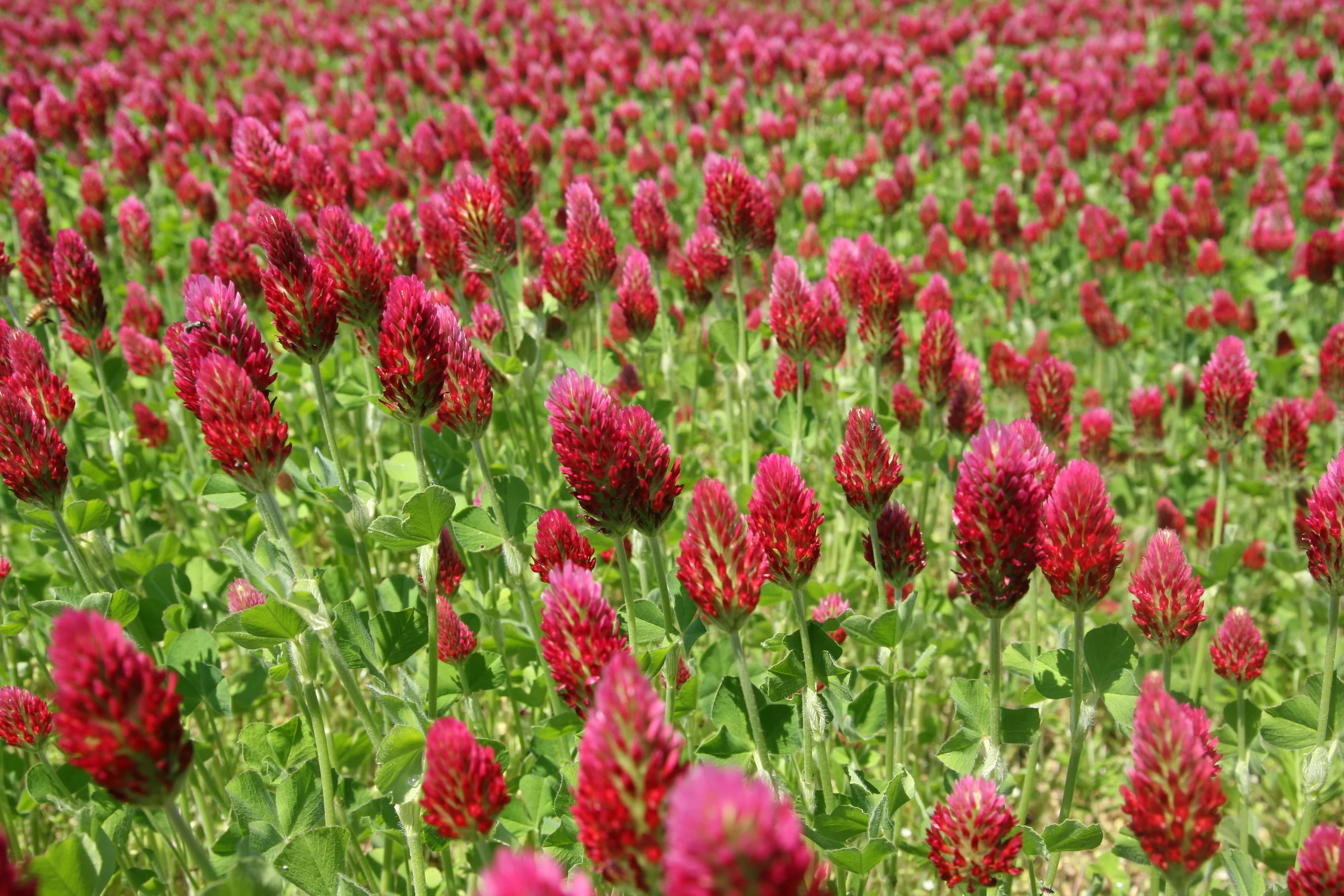
The foundation for healthy plants and animals is healthy soil. We strive to grow strong, healthy crops by stimulating soil biology, growing cover crops to build soil structure, using innovative methods of pest control, and participating in organic research projects.
“We farm for flavor, not yield; we farm the soil, not the crops.”


FOREVER CERTIFIED ORGANIC
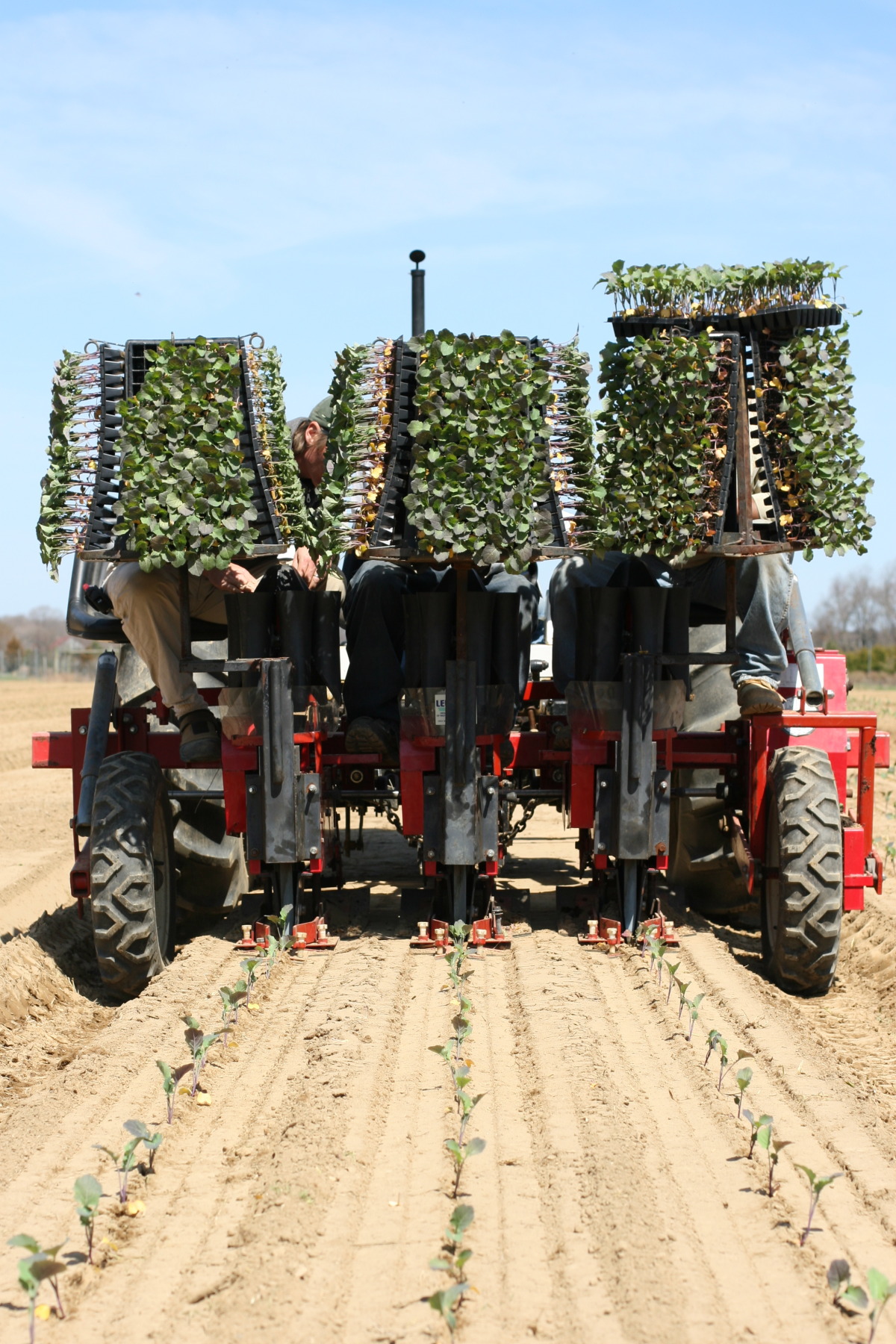
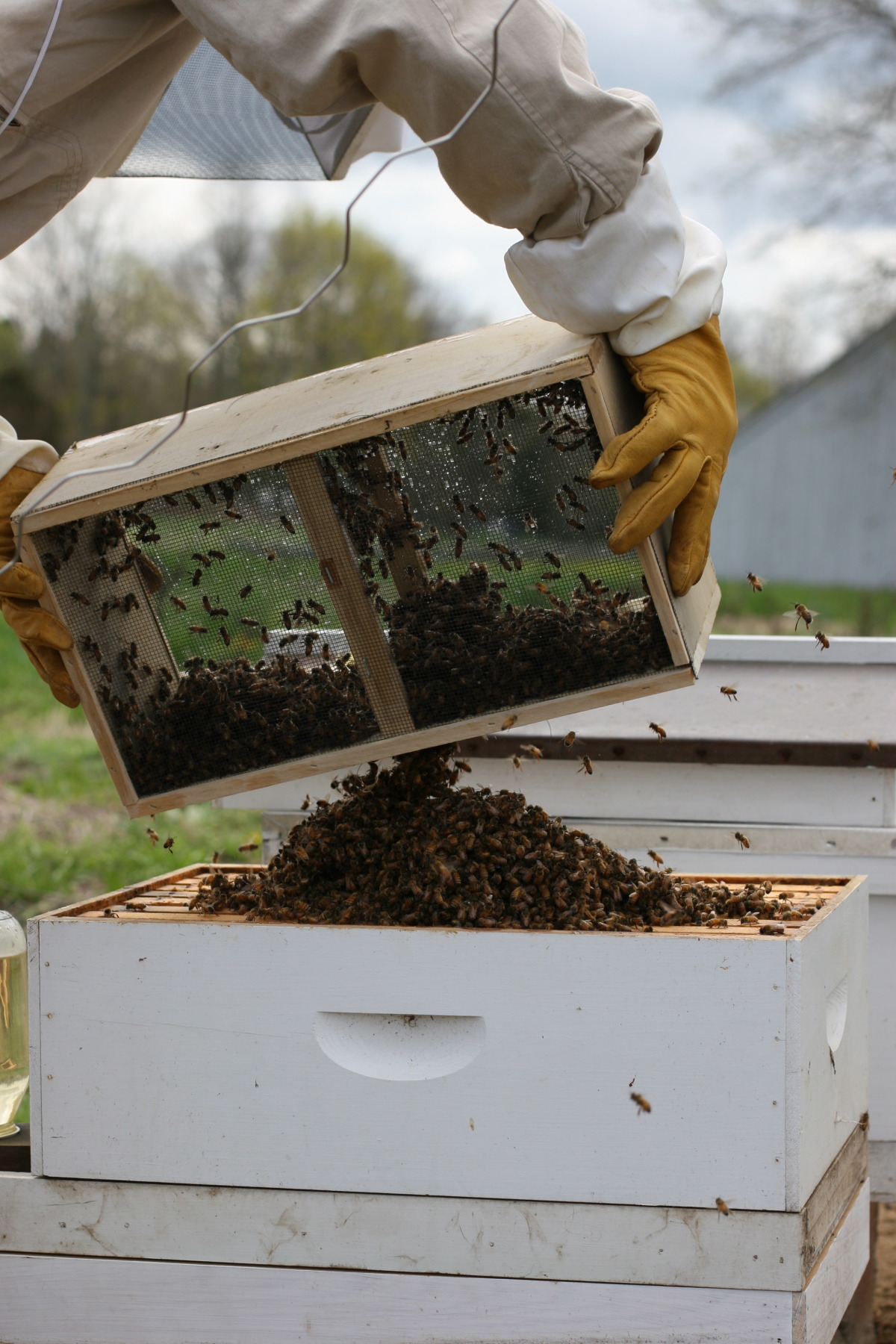
Our farm is USDA Certified Organic by VOF (Vermont Organic Farmers), a third party certifying agency. Organic farming is a whole system (or holistic) way of producing food. This means that organic farmers think about the effects of their farming practices on the soil, the quality of the food they produce, the local community and the wider environment.
Organic agriculture seeks to maintain and improve the productivity of the land
by encouraging and enhancing natural biological processes.
The word 'organic' is a legal term. In the US, all organic farmers, growers and processors must register with one of the organic certification bodies which certifies that they have met the strict requirements.
SOIL HEALTH & NUTRIENT MANAGEMENT
We strive to produce food in the most sustainable way possible. This means that in addition to growing in accordance with organic principles, we do everything we can to further enrich our soil and build fertility through the use of cover cropping, crop rotation and supplemental application of organically approved amendments and fertilizers. We monitor our crops through soil testing, leaf tissue and sap testing, which gives us some insight into what's going on in our plants, and what we need to do to further improve our soil growing conditions. Nutrient management is a key part of promoting healthy soil with good physical, biological and chemical properties on our farm.
• Learn more about our Innovative Sap Testing Process
FOOD SAFETY
Our commitment to safe food starts with our choice to farm organically, which we have been doing since we started farming in 1996. It extends to the way we plant, grow, harvest, inspect, wash, handle, package and deliver our freshly-picked produce to you. We have taken the initiative to develop and implement a rigorous food safety system on our farm to ensure that we are providing the safest possible produce for our CSA members and customers at our farmers' markets. From planting to harvest, each stage is inspected to ensure it meets our strict food safety standards. Food safety begins in the field with attention to detail and maintaining a clean field environment. This includes scouting for any potential problems in the field (deer, birds) and noting their impact on the crops. During harvest it means scrubbing hands, harvest knives, and totes; sanitizing our Washing and Packing Rooms; quickly hydrating and cooling crops in clean water; and packing each item in clean, sanitized produce bins for storage at the proper temperature in our coolers.
FARMING TO HEAL THE PLANET
We implement regenerative farming practices that include low-till farming to sequester carbon and nurture soil health. We increase our soil fertility through the use of cover crops, compost and crop rotations. And we restore microbial communities in soil through inoculation and cover crops.
If you have any questions about our practices, please ask us!
This is one of the best things about knowing your farmer: true transparency.